


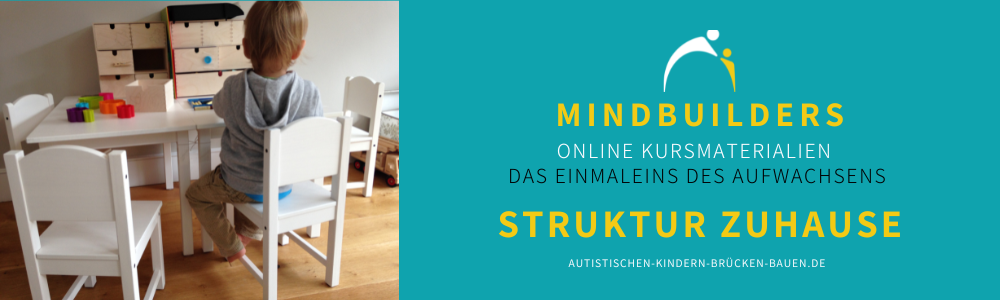
How can we help the child not feel so lost?
Are you worried because your child
- constantly just running back and forth instead of playing with his toys?
- seems disoriented and can't keep himself busy?
- has too many toys but doesn't really play with anything and only wants to be on the cell phone all the time?
This is a common problem. For some reason, some children have difficulty with the most basic milestones of early development and parents are desperate for support to help their child.
In this module, I'll show you how to make your home a nurturing environment and what types of toys and activities promote your child's play, learning, and language development.
Ihr Kind kann lernen, sich zu beschäftigen und weniger verloren zu fühlen ...
 How important structure at home is for the development of a child
'Wir waren verzweifelt, denn Indigo (8 Jahre) wirkte völlig verloren. Und wir auch! Er spielte nicht und machte nicht mit. Er rannte den ganzen Tag im Haus hin und her über das Sofa, die Treppe hinauf und wieder hinunter, ununterbrochen. Er schlief, wo er wollte, und meistens nicht in seinem Bett. Er aß nur Toast mit Nutella. Überall, und ohne sich irgendwo hinzusetzen. Ich war es so leid, überall Nutella abzuwischen. Wir hatten zu dieser Zeit noch nicht einmal einen Tisch! Er hat nie mit seinen Spielsachen gespielt, und die große Spielzeugkiste wurde nie aufgemacht. Seine einzige "Aktivität" war das Werfen von Dingen. Es war ein absoluter Albtraum. Wir haben immer noch Netze vor unseren Fenstern, weil sie so oft kaputt gegangen sind! Niemand konnte uns helfen, nicht einmal die Mitarbeiter des psychiatrischen Zentrums, wo wir hofften, Hilfe zu bekommen (außer dass sie uns zu Sibylle schickten, wofür wir sehr dankbar sind).
Erst durch die Arbeit mit Sibylle wurde uns klar, wie wichtig Struktur zuhause, die richtigen Möbel und Spielmaterialien, Aktivitäten und vor allem Tagesabläufe für die Entwicklung eines Kindes sind. Und dass wir das alles nicht hatten.'
Indigo's mother
Indigo (10 years), nonverbal with an autism diagnosis.
Here's how you can help your child:
In this chapter we explore the basics of spatial structuring at home, of things your child can do and play with to counteract feelings of being lost and create a peaceful environment at home. This chapter consists of 6 lessons where I show you, How to make your home a nurturing environment and what types of toys and activities promote your child's play, learning and language development.
Lesson 1: Order at home creates order in your mind
Creating clarity and structure is an act of love
Lesson 2: Useful FURNITURE: creating SPACE at home
A place where you can feel at home
Lesson 3: SHELVES & STORAGE of Play Materials
Children need space for their play materials
Lesson 4: Avoid LAZS TOYS: Dealing with ELECTRONICS
Electronic screens talk a lot, but they don't listen
Lesson 5: Exploring EVERYDAY THINGS: something to PLAY with
Children need something to do and things to play with
Lesson 6: Good toys with high play value
Modern toys: not all toys are good toys
Book the course for only ~ € 249.00
Do you have any questions?
Write an email to perspektiven@janert.info
